
Quick Answer
Single vs double glazing windows comes down to how the glass handles heat and sound. Single glazing has one pane, while double glazing has two panes with a sealed gap between them. That gap helps slow heat transfer and can also reduce outside noise.
For a home, double glazed windows usually give better comfort and insulation than single glazed windows. The final result depends on the glass, aluminium frame, seals, window position, and installation.
What Is Single Glazing?
Single glazing means the window has one pane of glass inside the frame. It is a simple design and usually costs less than double glazing.
Heat can move through one pane quite easily. On a hot day, sunlight can warm the glass and push more heat into the room. When the weather is cool, indoor heat can also escape through the window.
You can notice this in an older home. Stand close to a single glazed window on a hot afternoon, and the area near the glass may feel warmer than the rest of the room.
Single glazed windows still have useful places. They can work well in garages, storage rooms, internal partitions, and other areas where heat control is not a main concern.
What Is Double Glazing?
Double glazing uses two panes of glass with a sealed gap between them. The gap usually contains air or an insulating gas such as argon.
The gap slows heat as it moves through the window. This gives double glazed windows better insulation than a single pane.
The glass can also have a special coating. Low-E glass can help control heat transfer. Solar control glass can reduce the amount of solar heat entering through a window.
The window frame matters too. The seals must work well, and the glass must fit the frame correctly. A good double glazed unit still needs good installation.
What Is the Difference Between Single and Double Glazing?
The main difference is how much heat can move through the window. Single glazing has one pane, while double glazing has two panes and a sealed space between them.
That extra space helps reduce heat transfer. It can also make the inside pane feel less affected by outdoor temperatures.
The difference can be easy to notice with large windows. A large single glazed window facing strong afternoon sun can make a room much warmer.
A suitable double glazed window can reduce the amount of heat passing through the glass. The exact result depends on the glass type, cavity, frame, seals, and window position.
Are Double Glazed Windows Good for Hot Weather?
Yes, double glazed windows can help in hot weather. The right glass can make an even bigger difference.
Think about a bedroom with a large window facing west. The window may receive strong afternoon sun for several hours. That sunlight can heat the glass and then raise the room temperature.
Double glazing helps slow heat transfer. Solar control glass can also reduce solar heat gain, which is the heat that enters a room from sunlight.
Curtains, blinds, shades, and external overhangs can help too. The best result often comes from using the right glass along with sensible shading.
Can Double Glazing Reduce Electricity Bills?
Double glazing can reduce cooling or heating needs by limiting heat transfer through the windows. That can help your air conditioner work less to keep a room at the set temperature.
Your actual savings will depend on the whole building. Roof insulation, wall insulation, room size, window size, sunlight, air leaks, and AC use all matter.
This is why replacing windows does not give every home the same energy savings. A large sunny room may see a bigger change than a small shaded room.
If energy use is your main concern, ask about the window’s thermal and solar performance. These details can help you compare different window options.
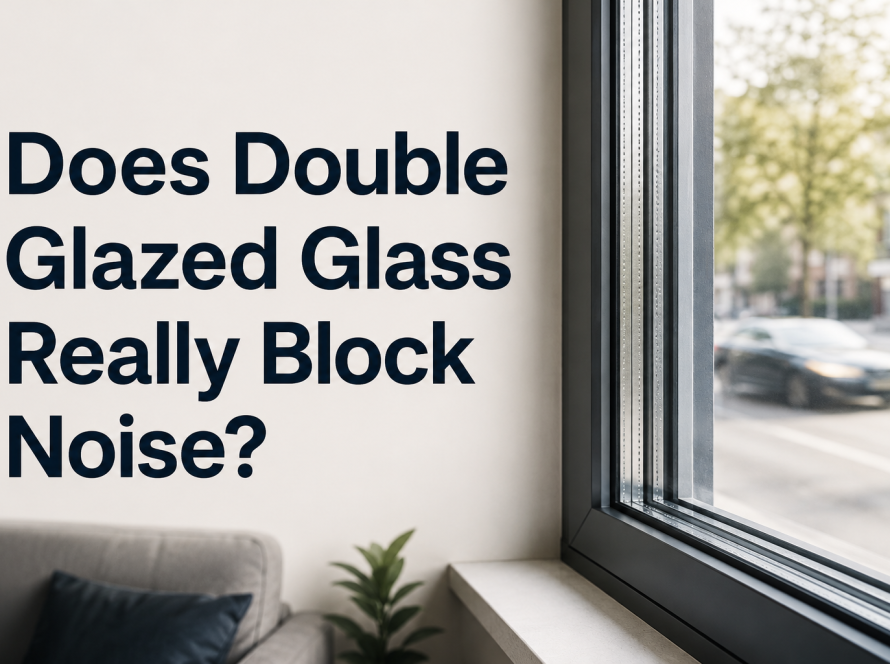
Does Double Glazing Reduce Outside Noise?
Yes, double glazing can reduce outside noise, especially when the window seals well.
The amount of noise reduction depends on the glass thickness, gap between the panes, frame, seals, and installation.
A window near a busy road may need more than standard double glazing. Acoustic laminated glass can give better sound control for traffic and other outside noise.
There is another useful detail. Two panes with different thicknesses can sometimes help with sound because each pane reacts differently to sound vibrations.
A sealed window also matters. Even a good glass unit cannot block as much sound if air can pass around the frame.
Can Double Glazing Reduce Condensation?
Double glazing can reduce condensation on the inside of the window because the inner pane stays warmer.
Condensation forms when warm, moist air touches a cold surface. Single glazed glass can get cold quickly, so water can collect on it.
With double glazing, the outside temperature has less effect on the inner pane. This can reduce the chance of water forming on the room side of the glass.
There is a different problem if you see fog or water between the two panes. That can mean the sealed glass unit has lost its seal.
Moisture trapped between the panes cannot be wiped away from inside the room. The sealed unit may need repair or replacement.
Indoor moisture matters too. Cooking, hot showers, drying clothes indoors, and poor ventilation can increase condensation even with double glazed windows.
Is Double Glazing Safer?
Double glazing gives you two panes of glass, and you can choose glass made for different safety needs.
Toughened glass is treated so it breaks into small pieces if it fails. Laminated glass has a layer between the glass sheets that helps hold the pieces together after breakage.
The aluminium frame and hardware also affect security. Locks, handles, hinges, frame strength, and proper fitting all matter.
For ground-floor windows and large glass openings, ask about the full window specification. The glass should match the level of safety you need.
Does the Aluminium Frame Matter?
Yes. The aluminium frame can affect how much heat moves through the window.
Aluminium is strong and light, which makes it a popular choice for windows. Aluminium also conducts heat, so the frame design matters when insulation is important.
A thermally broken aluminium frame has an insulating section inside the frame. This slows heat transfer through the aluminium.
That makes the frame a key part of an energy efficient window. If you are comparing aluminium double glazed windows, check the frame profile as well as the glass.
The glass and frame work together. A good glass unit cannot fix every problem caused by a poorly sealed or poorly designed frame.
Is Double Glazing Worth the Extra Cost?
Double glazing usually costs more than single glazing. You pay for two panes, the sealed gap, spacers, seals, and the extra work needed to make the unit.
The extra cost can make sense when you want better heat control, less outside noise, and more stable room temperatures.
The price can vary a lot. Window size, glass type, glass thickness, cavity size, aluminium profile, hardware, and installation all affect the final double glazing cost.
When you compare quotes, look at the full specification. A cheaper window may have thinner glass, a different frame, or simpler hardware.
Installation also matters. Gaps around the frame can let air and moisture through and reduce the benefit of the window.
Can You Replace Single Glass With Double Glazing?
Sometimes you can replace a single glass with a double glazed unit in the existing frame. The frame must have enough space and strength for the thicker, heavier glass.
Older frames may not have enough room for a double glazed unit. The frame may also lack the right seals or support.
In some cases, you can keep the frame and change the glass. In other cases, replacing the complete window works better.
A professional check before ordering the glass can save you from buying a unit that does not fit.
Do All Windows Need the Same Glass?
No. Different rooms can benefit from different types of glazing.
A bedroom facing a busy road may need acoustic glass. A large living room window facing strong afternoon sun may need solar control glass.
A bathroom may need privacy glass. A ground-floor room may also need safety glass.
The size and direction of the window matter too. A small shaded window and a large west-facing window do not get the same amount of sunlight.
Using different glass in different rooms can also help control the budget. You can spend more on the windows that need better performance.
Which Is Better for Your Home?
For most living spaces, double glazing gives better insulation than single glazing. It can help control heat, reduce outside noise, and lower the chance of condensation on the inside glass.
Single glazing can still work well where insulation is not a main concern or where the lower upfront cost matters most.
For homes in Pakistan, the best result comes from matching the glass and frame to the room. A sunny room may need solar control glass. A noisy room may need acoustic glass. A large opening may need a stronger frame and safety glass.
When you compare double glazed windows, look beyond the two panes. Check the glass, cavity, frame, seals, hardware, and installation.
Conclusion
The right window can make a room cooler, quieter, and more comfortable. The key is choosing the right glass and frame for each part of your home.
If you are replacing single glazed windows or comparing double glazed windows in Pakistan, WinGlass can help you choose the right glazing, aluminium frame, and finish for your project.
Planning new windows? Contact us right now and get a window solution matched to your home, room, and budget.
FAQs
What is the difference between single and double glazing?
Single glazing has one glass pane. Double glazing has two panes with a sealed gap between them. Double glazing usually gives better insulation and can also reduce outside noise and condensation.
Is double glazing good for Karachi?
Yes. Double glazing can help reduce heat transfer in Karachi’s hot climate. Solar control glass can also reduce heat from direct sunlight, which can be useful for windows that face strong afternoon sun.
Does double glazing keep a house cooler?
Double glazing can help keep rooms cooler by reducing heat transfer through the windows. The result can improve further when you use glass that controls solar heat.
Does double glazing reduce noise?
Yes. Double glazing can reduce outside noise. The result depends on the glass, frame, seals, gap, and installation. Acoustic laminated glass can provide stronger noise control.
How much does double glazing cost?
There is no single price for double glazing. Window size, glass type, aluminium frame, hardware, and installation all affect the cost. A basic window and a high-performance window can have very different prices.
Can double glazing crack?
Yes. Double glazed glass can crack from impact, stress, temperature changes, or installation problems. A damaged sealed unit may need replacement.
How long do double glazed windows last?
A properly made and fitted double glazed window can last for many years. A failed seal can cause fogging or moisture between the panes, which may mean the sealed unit needs replacement.